
Rottnest island
WADJEMUP
MAGICAL ROTTNEST ISLAND.
Rottnest Island is known to local Aboriginal people as Wadjemup or ‘Place across the water’, though is commonly referred to nowadays as simply “Rotto”. The island lies about 18km off the coast of Perth, taking around 30 minutes by ferry or fast boat, or 90 minutes by catamaran.
Rottnest Island is a popular playground for Perth families, tourists, the boating community, surfers, divers, marine biologists and holiday-makers. It is protected marine park, governed by the Rottnest Island Authority (RIA), who work hard to ensure the safe and continued preservation of the island for many generations to come.
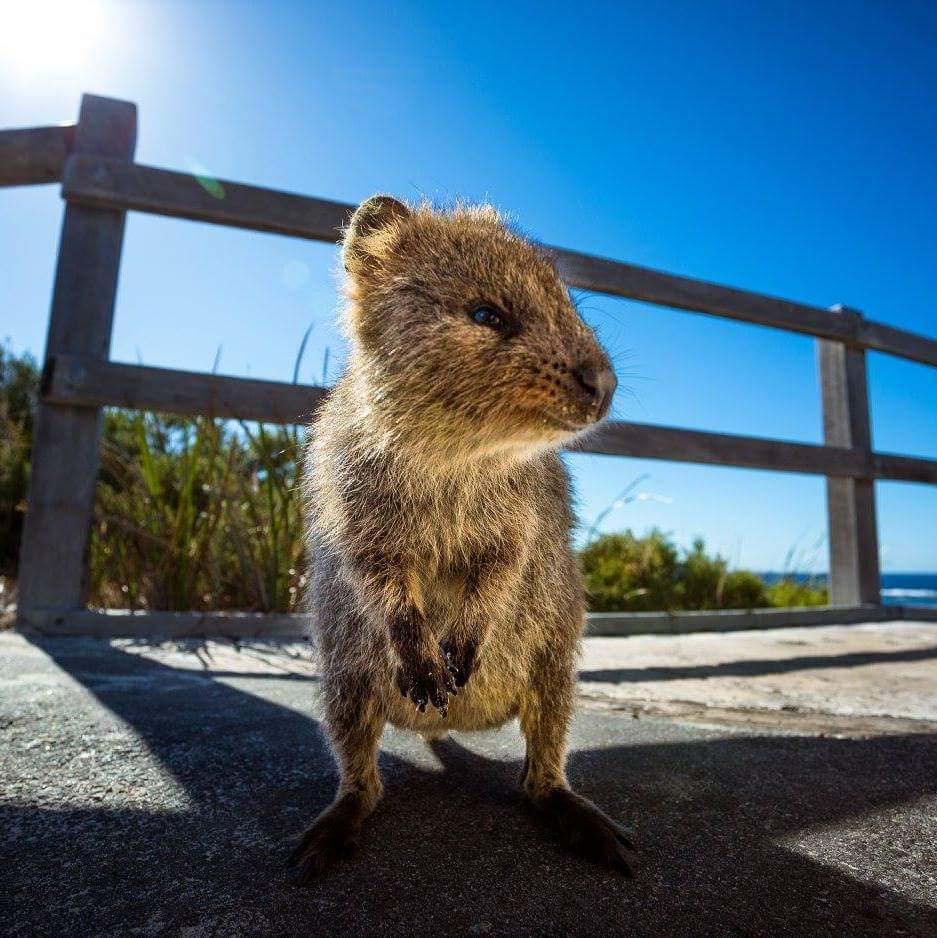
Natural attractions include spectacular limestone cliff beaches, turquoise bays, squeaky white sand, amazing wildlife and an abundance of marine life. Notably, the ‘Quokka’ recently landed Rottnest and Western Australia on the global map thanks to Roger Federer and his famous ‘Quokka selfie’, which he posted in Dec 2017. It’s a craze that has continued to grow with literally thousands of Instagram posts now quoting the famous #quokkaselfie hashtag!
Read on below to find answers to common questions about Rottnest Island.

our rottnest tours
Please note: Some of our tours depart from Rottnest Island – so you must already be on Rotto to come aboard!

full day
sail to rottnest$269 / Adult
You are invited to travel some 15 nautical miles off the Fremantle coast to the unique and stunning island of Rottnest. Your vessel is a luxury appointed 12.5 m Schionning catamaran.

rottnest
Snorkel & Sail$175 / Adult
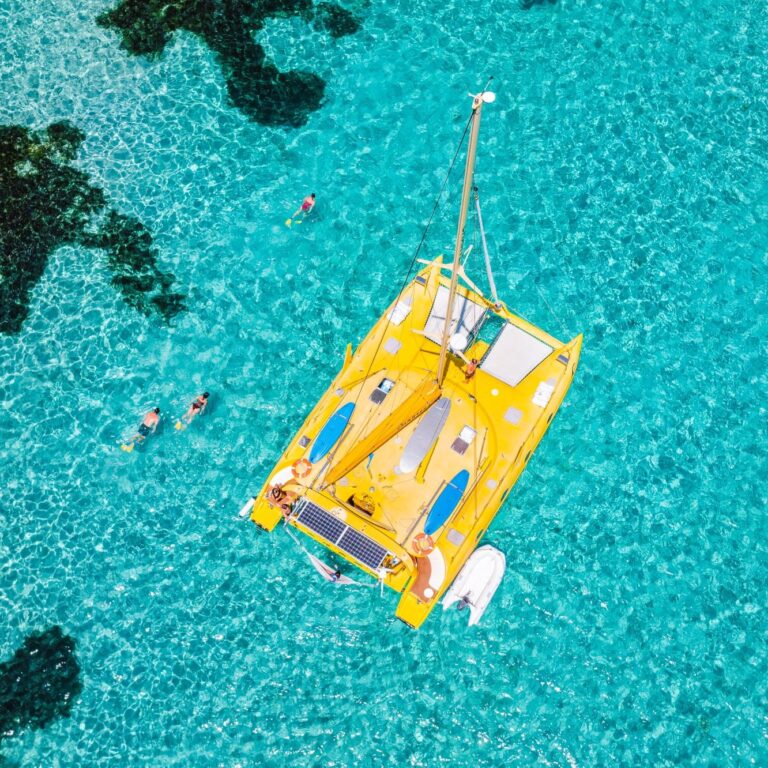
Experience the magic and snorkel Rottnest Island by Luxury Sailing Catamaran. Sail through stunningly beautiful bays then dive right in to a snorkeler’s paradise!

rottnest
sunset sail$110 / Adult
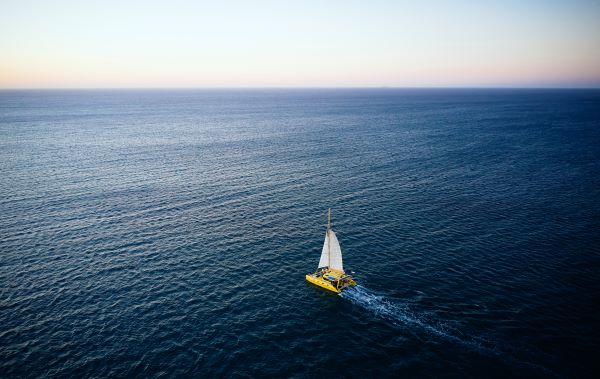
Watch the sun set over Bathurst Lighthouse and the sky come alive. Experience the very best of Rottnest on this sailing adventure via a luxury sailing catamaran.


ROTTNEST ISLAND HISTORY.
It was first known as an island of spirits by the Noongar people who viewed it from the mainland. Artefacts dated at over 20,000 years old have been exposed on the island indicating Aboriginal occupation prior to the island’s separation from the mainland.
The most recent sea level rises between 10,000-6,500 years ago led to the island being separated from the mainland. During this time the local Aboriginal people whom were not sea-faring did not traditionally inhabit the island.
The island took on a new and tragic meaning for Aboriginal Australians from the mid-19th century to the 1930s when the island was used as a prison for around 4000 aboriginal men from all over Western Australia. It is estimated that around 10% of these prisoners remain buried on the island and of those that survived, most never made it home. Researchers estimate that every West Australian Aboriginal person alive today has an ancestor that was imprisoned on Rottnest Island.